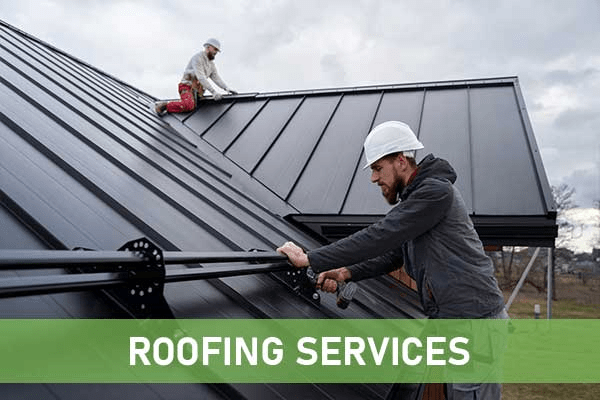
Roof eaves are the outer section of a roof where the roof hangs over the side of the house. Roof eaves Treasure Valley Roofing protect the home, provide partial shade and deposit water run-off away from the house instead of down the side of the house.
Learn why roof eaves are such a critical structural element, their pros and cons and how eaves differ from soffits and fascia.
What to Know About Roof Eaves
Roof eaves protect the side of the house and the house’s foundation, plus they serve as a decorative element.
Roof eaves contain smaller elements that do many things: Water coursing down the roof is caught and diverted by gutters that are attached to the fascia—part of the eaves. Fascia board covers exposed, sensitive rafter ends.
Soffits are sometimes attached to the bottom of the eaves to protect the rafters, limit access to the house’s ventilation holes and give the home a smooth, finished look.
What Roof Eaves Do
Roof eaves act like the brim of a hat, extending only a short distance but providing ample protection for much of the home. Roof eaves often have soffits and fascia board.
Roof Eaves vs. Soffits
Soffits are panels that are installed underneath eaves. Soffits can follow the angle of the roofline or they may be installed horizontally.
While soffits are functional, they have solid aesthetic value, smoothing the look of the house and covering rafters and the exposed ends of roofing nails.
Eaves vs. Fascia
Fascia board is installed at the ends of roof eaves. Fascia—from the Latin word for ribbon or strip—looks like a long, horizontal strip running around the perimeter of the house, along the top. Fascia is sometimes painted a different color from the house to emphasize it.
 Site Title
Leave a comment